



It is estimated that the average American family of four spends between $1,000 to $1,500 per month on groceries, most of which unnecessarily overspend every single time. You are reading this, so you’re smarter than that. You want to change something, and learn how to save money on these essential purchases. So we prepared the list of 10 things to know when shopping for groceries to save money every single time. It’s not super easy, but it’s not hard either…
1. Shop at Warehouse clubs
Instead of buying at Aldi and Walmart, check out the warehouse clubs that offer significant savings. We are talking about the likes of Costco, Sam’s Club and BJ’s. These store have annual membership fees but you’ll pay them off in just a month or so. Compared to prices of regular stores, warehouse clubs are much, much cheaper. And they also have great web stores, so you don’t have to visit them to benefit from savings.
If want to visit physical stores, make sure to…
2. Shop with a list
Nothing beats the shopping list. Create one before visiting the store and stick to it. This way you will not only avoid forgetting all the items you need, but also stop yourself from impulsive purchases. Those impulsive purchases easily add up, with major stores working their asses off to get the very last penny out of your wallet. Entire teams are working to squeeze an extra dollar from today’s consumers like you and me.
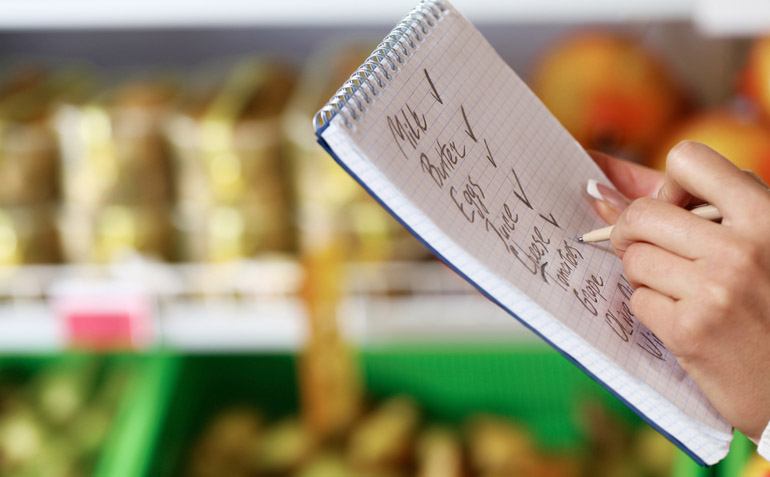
So make the list and avoid temptations!
3. Shop with TWO lists
The FIRST list, detailed above, should contain all the items you need right now. The second list includes OPTIONAL items you don’t necessarily need at that moment, but if you find them on sale — go for it.
For instance, you don’t need a toilet paper now, but you will need it next week. If there’s a sale or some sort of special deal while you’re in the store, it’s time to stock up.
You will be buying it next week anyway, and now you’re cutting that from your upcoming shopping list.
4. Pay with the card, but…
You can save even more if you get a card of the store you most frequently visit. If we’re talking about a few stores, get a few cards. Or one of those “universal” credit cards — you can see some great selection here — that will reward all of you grocery shopping. This way you can earn 2-3% back on every dollar spent on groceries. At the end of the billing period, you can “earn” a few dozen dollars, and a few hundreds of dollars at the end of the year. No need to leave any money on the table.

On the other hand, if you can’t help it and keep buying stuff left and right — including those that you don’t need — perhaps you are better off paying for everything in cash. The money you have in the wallet will limit you, and also the fact that letting go of cash is not as easy as swiping a card will work in your favor.
We suggest you discipline yourself and pay everything with a rewards credit card, but who are we to say how you should behave? 😉
5. Buy store brands whenever you can
You don’t want to replace Coke or Pepsi with something generic, but for many other products there really is no good reason to get the brand-name product. If you can live with that, you can save around 25%.
And why not “live with that” — some store brands can be just as good, or even better, than the more expensive name brands.
Sometimes, we gotta admit, that’s not the case. But you should try store brands anyway and, again, save around 25%. That’s potentially a lot of money for frequently bought items.
6. Look at those aisles carefully
Stores are notorious for researching consumer behavior, making stuff they want you to buy the most visible. For instance, the cereal aisle is divided in such a manner that everyone sees what the store management wants them to see: the shelf placed around eye level of a child is full of colorful, name-brand cereal boxes, while shelves right in the middle — where most adults would look — have their share of more expensive, name-brand products.
What you want to look are shelves at the very bottom and the very top. Here, you can find generic brands and cheaper prices.
This, in case you wonder, applies to pretty much all aisles.
7. Use coupons
Perhaps we should’ve made this our first point since this is the most obvious way to save. However, coupons could also make you spend on stuff you don’t need. Consult your TWO shopping lists before spending a single dime on an item that is offered for less with a coupon.
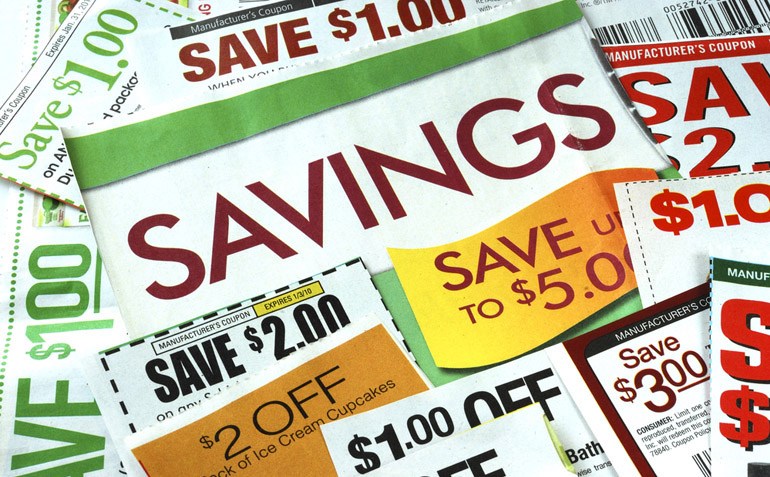
The easiest way to save with coupons is to use one of many popular mobile apps. We suggest you try some of these:
- Ibotta – provides rebates at national and regional grocery stores.
- Checkout 51 – offers rebates on items you don’t normally find coupons for, such as fruit and vegetables.
- Shopmium – gets you new deals every week at “countless stores.”
- Cellfire.com and Coupons.com – these apps will send coupons directly to your loyalty cards.
- SavingStar.com – offers coupons that convert into store savings or actual cash back.
Also, make sure to download apps for your favorite stores. They too can offer great mobile-only deals.
8. Don’t buy prepared foods
It is convenient but it’s also more expensive. Instead, go for the ingredients and cut your fruits and veggies yourself at home.
If that’s too much of a hassle, check out Platejoy. This service isn’t free — it offers a free trial, though — but is well worth the money. Platejoy will let you plan your meals throughout the week (or month) and automatically create shopping lists for you and your family. You will also get recipes along with dietary advice (and more).
Or, if you want to spend some extra on eating good food from time to time, check one of those services that will deliver all the ingredients and recipes to your doorstep. Typically these services offer higher quality ingredients and delicious meals, and they are mostly focused on dinners. Top services include: Hello Fresh, Plated, Marley Spoon, and Munchery. The last service on the list (Munchery) can also cook for you — if you live in the area they serve.
9. Buy in bulk
If you don’t want to use a service like Platejoy — which will prepare the shopping list of ONLY ingredients you need — you’ll want to buy stuff in bulk.
If your family eats a lot of meat, buy more and freeze what you won’t eat immediately. In addition, you can also buy in bulk select fruits and vegetables which can last longer. These would include things like apples, strawberries, onions and peppers, as well as other produce such as cheese, spices, canned goods, dry pasta and oats.
Make sure those items are on sale when you buy them in bulk. And that you actually have them on your shopping list (either first or second). Again, you don’t want to buy things you don’t need.
10. Be careful with non-grocery items
As in, you don’t necessarily want to buy them in a grocery store. If they’re on sale (and are on your shopping list), it’s ok to do that, but you know there are stores specialized for different products which more often than not provide better deals.
Yes, today’s grocery stores are selling just about anything, but for — say — electronics, they can hardly beat Best Buy. And the same goes with some health and beauty products, and items that just until recently were available only in pharmacies.
Conclusion
The basic advice of this article is THINK before you buy. Spending money is easy. Earning it and saving is harder. Not necessarily that hard, but you do have to discipline yourself not to be tricked by grocery stores’ massive marketing efforts aimed solely at getting additional dollar from your pocket. Good luck! 😉