
 Charles H. Miller
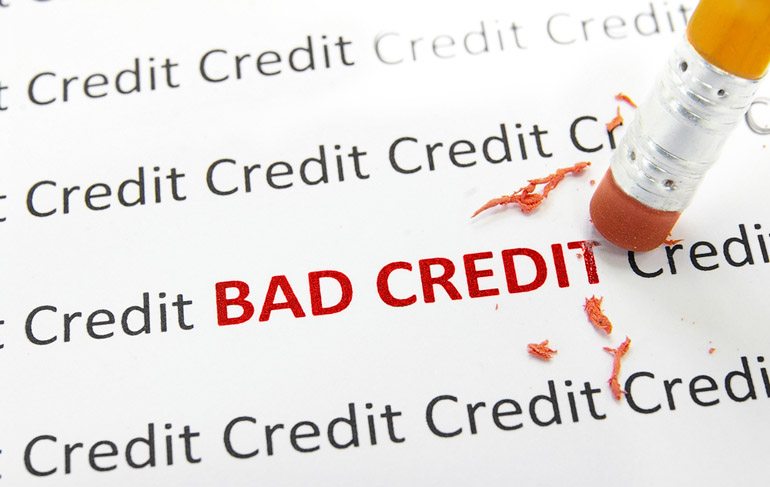
Here are 5 things people think they know about credit repair — knowing them could be helpful to just about everyone…
Myth 1: Credit bureaus are official, quasi-governmental agencies
They are American institutions that work alongside your creditors to keep every adult citizen towing the financial line. That’s false – the fact is that credit bureaus are for-profit businesses and have no government affiliation.
- Comptroller of the Currency
CRAs (Credit Reporting Agencies) and those furnishing data to them are subject to the authority of two government bodies – the Federal Trade Commission (FTC) and the Office of the Comptroller of the Currency (OCC). - The Fair Credit Reporting Act (FCRA)
A federal law that defines how CRAs should operate and provides consumers with the ability to challenge their credit reports. - Consumer Financial Protection Bureau (CFPB)
Starting September 30, 2012, the Consumer Financial Protection Bureau is over-sighting CRAs, including the three big national credit bureaus, and conduct on-site examinations to ensure compliance with the law.
Myth 2: Your credit report is reviewed carefully
The fact is that 79% of credit reports include errors of some kind. Heck, in one recent study, 200 people said their credit reports listed them as dead, while 25% of the complaints filed with the FTC involves mistakes about credit cards, mortgages and car loans.
One famous case involves Judy Thomas of Klamath Falls, Oregon, who was awarded $5.3 million in a successful lawsuit against TransUnion. The award was made on the grounds that it took her 6 years to get them to remove incorrect information in her credit report.
Also read: How to Dispute a Mistake on Your Credit Report
Myth 3: Including a credit statement alongside the baddies on your credit is helpful.
Three things (facts) you should know:
- Statement may be viewed as an admission of guilt.
- Loans are approved or denied based on numbers – the FICO score, and not words.
- Statements may be viewed as excuses.
Myth 4: Negative items must remain for 7 years
In the United States, credit reporting is entirely voluntary, with no enforceable minimum time period. If creditors cannon (or would rather not) document FAIR, ACCURATE and SUBSTANTIATED credit reporting, then their credit report data must be removed.
These are only MAXIMUM ALLOWABLE PERIODS. Information furnishers can remove whenever they like at their option.
| Negative information | Reporting Period Limit |
|---|---|
| Bankruptcy (Chapter 13) | 7 years |
| Bankruptcy (Chapter 7, 11 and 12) | 10 years |
| Civil suits, civil judgments and records of arrest (Foreclosures, Child Support, Small Claims) | 7 years or until the governing statute of limitations has expired, whichever is the longer period |
| Paid tax liens | 7 years |
| Account placed for collection or charged to profit and loss (Collection Accounts) | 7 years |
| Any other adverse item of information, other than records of convictions of crimes | 7 years |
| Closed accounts | 7 years from date of reported closing if they have delinquencies, 10 years if there’s a balance |
| Late Payments | 7 years |
| Charge-offs | 180 days from date of delinquency + 7 years |
| Student loan default | 7 years |
| Inquiries | 2 years |
| Lost credit card | 2 years if there’s not delinquencies; 7 years if there is delinquency |
| Collection or charged off accounts not greater than $100 | 3 years |
| Unpaid Tax Liens | Forever, in effect unless a state law exists with greater consumer protection |
| Unpaid Federal Student Loans | Forever |
| Criminal Conviction | Forever |
Myth 5: Seeking help in repairing credit is unlawful
The fact is that Attorney Generals (AGs) have authority to file a lawsuit under the Fair Credit Reporting Act.
Thousands of consumers contacted the Federal Trade Commission and/or their state attorney general to help them deal with the biggest national credit-reporting agencies – Equifax, Experian and TransUnion.
| Nature of Complaint | FTC | Attorney General |
|---|---|---|
| Unable to access free credit report, file a dispute or get phone help. | 30% | 38% |
| Errors on account that belongs to the consumer. | 24% | 54% |
| Credit report merged with another’s. | 6% | 8% |
| Incorrect name, Social Security number or other demographic information. | 5% | 42% |
| Charge money for free credit report. | 3% | 8% |
| Reported as deceased. | 1% | 1% |
| Victim of identity theft. | 1% | 1% |
And if you are looking to get out of debt, you should grab yourself a balance transfer credit card. There are some great options out there and the link below could be of help, listing the best options on the market. Do check it out…
[Via: CreditRepair.com]
