
 Charles H. Miller
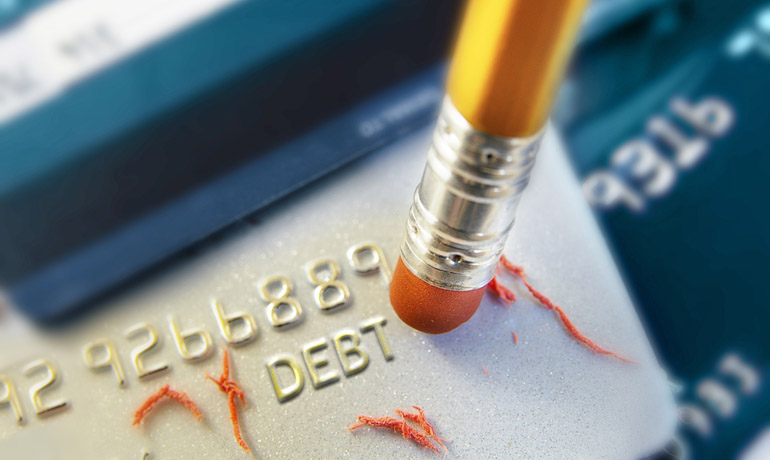
Americans are spending like it’s nobody’s business, and more often than not — they use plastic to pay for stuff they need. Case in point — credit card debt has reached $1 trillion last year, according to the Federal Reserve and brought to our attention by CBS.
The average U.S. household had $16,748 in card debt in 2016, with some 157 million Americans having an outstanding debt on plastic at year-end 2016, according to Nilson.
In a way this is good news since such level of credit card debt was not seen since 2008 when the so called Great Recession started. So yes — the economy has rebounded, but… we hope that Wallet Weekly readers are savvy enough to know how to control their spending.
“Credit card debt is rising quickly, but delinquencies are still really low,” Matt Schulz, senior industry analyst at CreditCards.com, told CBS. He noted that the most recent delinquency rate was 2.3 percent, which is a big improvement from the peak of 6.8 percent in recession-ridden 2009.
Nevertheless, he cautioned, the nonpayment rate has begun to tick up. “Many Americans are doing a good job of controlling their debts,” Schultz said. “But eventually with big debts and rising interest rates, it’s likely that something will have to give.” He expects the nonpayment figure to keep rising later this year.
At the moment, credit card interest rates are relatively low: 13.9 percent on average for holders of existing plastic. But if you sign up for a new card, you’ll pay more — 15.7 percent. With the Fed raising interest rates, card rates will continue to ascend.
What to do to pay off your debt?
We at Wallet Weekly don’t like debt and neither should you. Yes, all of us have a mortgage or rent to pay, but other than that we are giving our best to pay our credit card balances in full every month.
If you are in the group owing money to the bank, you may want to act as soon as possible before the Fed raises interest rates again. Your number one option is to call the bank and ask to reprogram your credit card debt into a regular loan you can repay on a schedule that works for you.
Other option — which we take — is to get one of those credit cards with an introductory period of 0% APR and move balance from an existing card to that one. If you have a good credit rating, you can get up to 21 months of interest free spending. That being said, you shouldn’t go on a shopping spree — but to pay off your credit card debt. Or at least pay off as much as you can.
Start by going through this list of credit cards offering an intro period of 0% APR. You’ll be surprised what you can get these days. But again — once you get the card, be prudent with your spending. Good luck! 😉
Recommended guide:
