
 Marc Serafino

Even before starting to save money, you should make sure the “key” bills are paid. These are the bills which most of us have and which are hard to avoid. Doing that (avoid paying them) could be much more costly than it seems.
So without further ado, here are 6 bills you should pay even if you’re tight on money:
1. Mortgage
You want to keep the roof over your head, no matter what. So the first bill you’ll want to pay is your mortgage.
Beyond keeping your home, paying mortgage on time will also keep your credit score under control. In contrast, skipping a payment could hurt your score by 100 points or more, thus making it more expensive to borrow money in the future.
You can, however, get away by postponing the payment for up to four weeks as lenders can’t report your payment as late to the credit bureaus until you’re at least 30 days past due. Nevertheless, you should avoid making late payments on your mortgage (and any other bill for that matter).
2. Rent
While you can postpone to pay the mortgage for up to a month, you can’t do that with the rent. Your landlord may tolerate one or two late payments, but before you know it — he/she may opt to take a different route. And that “different route” involves sending you an eviction notice — they can do that even if you’re just one day late with your payment.
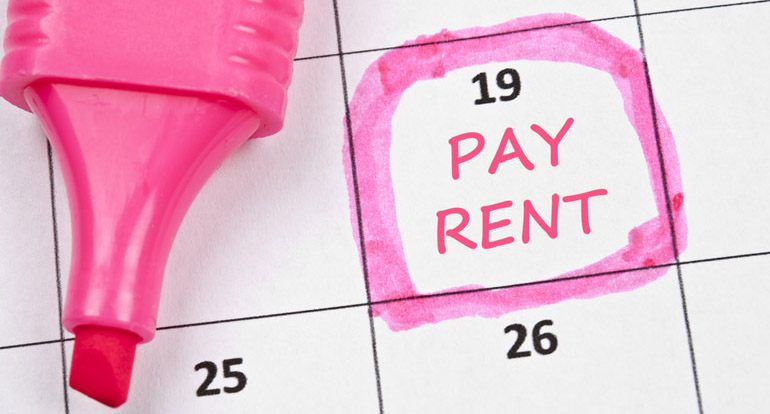
Most landlords won’t do that but it is best not to test their patience. Make sure that the rent money is first to be left on the side. Every month.
Also read: These Gigs Could Help You Pay The Darn Rent
3. Car payment
Missing a payment for your car is similar to the mortgage payment — it won’t be reported to credit bureaus until it’s more than 30 days past due. But, when you fail to meet the monthly payment, your vehicle can be repossessed and your credit score could be lowered by up to 100 points.
In most states, auto lenders can legally repossess your vehicle as soon as you miss a single payment. In most cases though, they don’t want to do that and will give you some extra time to get your finances back in order (so you can keep paying them for the car).
4. Utility bills
Utility providers don’t want to shut off your services quickly; rather, you will receive plenty of advance warning before they take that route. Nevertheless, you should be paying for the services you are using to keep them on.

If you do end-up struggling to pay these bills, your best bet is to call the utility company and see whether you can come up to the solution. They may offer to lower your bill for a period of time or defer your payments for a few months so you can get back on track (and keep paying them regularly).
5. Student loans
Whether you took a loan from the government or a private lender, if you can’t pay it on time, call to negotiate. There’s a chance you can get a new repayment plan if you are struggling.
Depending on your financial situation, you might even qualify for a deferment. Or some other arrangement you may learn about after speaking with the company that has issued your loan. Try it out, but even better — try to pay off your student loan as soon as possible.
6. Credit cards
Last but not the least, your credit card debt should be addressed every month. If you’ve been stuff like it’s nobody’s business and now can’t afford the monthly payment, it is time to rethink your spending habits
At the very least, you should pay the monthly minimum with the idea to clear out the balance as soon as possible. Carrying a lot of balance from one month to the other won’t take you anywhere, especially if you’re using a card with a high APR.
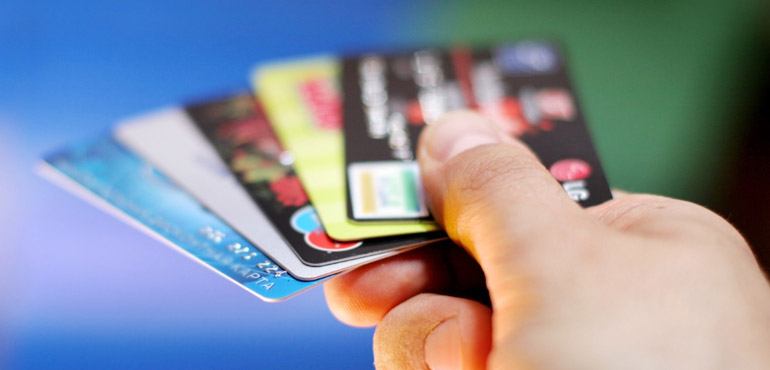
There are a few strategies you can use not to miss payment on your credit card, like setting up auto-payments, reminders and more. If you, however, already carry some balance on your card, you can try reducing it by getting a card that offers an introductory period of 0% APR. You can see a great selection of such cards from this page. One of them could help you pay off your debt and get back on track. Try it out.
Recommended guide:
The alternative…
If you can’t come up with enough money to pay your monthly bills, you may want to take another job. We are here to help with our big list of jobs and short-time gigs you can try to earn $500 per month. Try as many of these jobs as possible to increase your earnings and get your finances back in order. Good luck!
